
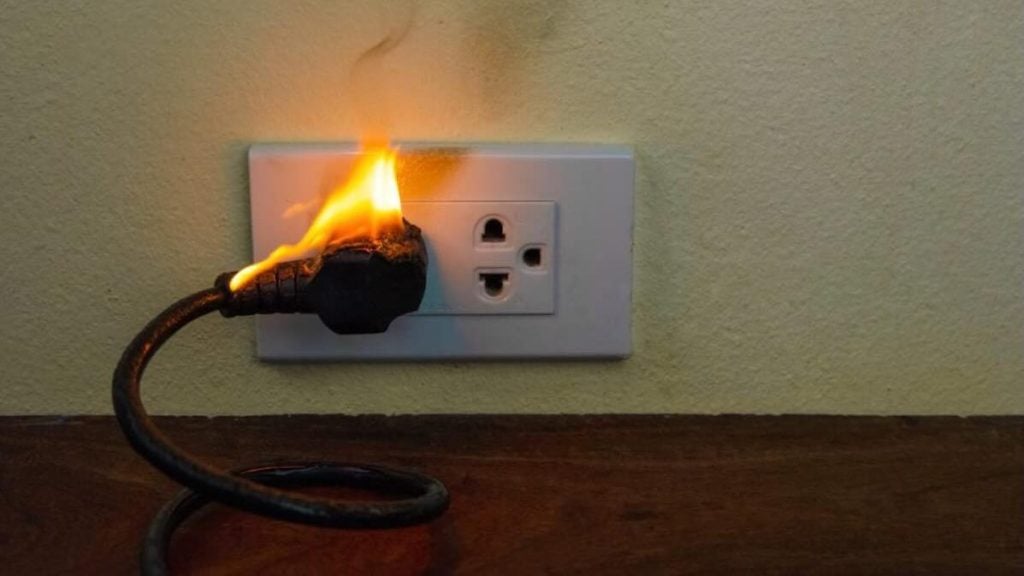
Leaving the house triggers a familiar mental checklist. Keys, walvvlet, phone, door locked. Most people run through these steps without conscious thought. What rarely makes the list — but probably should — is a quick check of the kitchen counter and the appliances sitting on it.
The instinct to leave things plugged in runs deep. Modern households contain dozens of devices drawing power at any given moment, and most cause no problems. But one appliance sits in a risk category that its everyday familiarity tends to hide. The coffee maker — the machine that starts most mornings — deserves far more attention than it usually gets, especially when the house is about to be empty.
Why the Coffee Maker Specifically
The case against leaving a coffee maker plugged in while unattended is not theoretical. It rests on a specific combination of features that make this appliance more vulnerable to electrical fault than most people realise.
Coffee makers pass electricity through a heating element to bring water to temperature. That element runs hot by design. A functioning thermostat prevents temperatures from rising beyond safe limits. When that thermostat degrades — through age, manufacturing defect, or wear — the machine loses its main line of defence against overheating. The heating element keeps drawing power. Temperatures climb. With no one home to notice, the situation can deteriorate seriously before any visible sign appears.
The inside of a coffee maker makes this worse over time. Every brew cycle leaves a thin layer of coffee oils on internal components and ventilation pathways. This residue builds up month after month. Ventilation narrows. Heat that would normally escape gets trapped instead, pushing internal temperatures beyond what the components can safely handle. A worn thermostat combined with blocked ventilation creates conditions where a fault can develop into something far more serious without any warning.
Modern coffee makers with automatic shutoff offer partial protection — but not complete peace of mind. These systems stop the machine from heating indefinitely. They do not prevent faults in wiring, component wear, or the heat buildup that comes from years of residue accumulation. Automatic shutoff tells the machine to stop. It does not stop an electrical fault from developing in a machine that is still connected to power.
The Broader Reality of Idle Appliances
The risk from a plugged-in appliance does not disappear when the device is switched off. Electrical current still flows through the wiring. Components remain live. A fault in the wiring insulation, a loose connection at the plug, or a failing internal part can happen whether the device is running or sitting idle.
Appliance manufacturer Teka has addressed this directly in its safety guidance. The recommendation is clear: unplug devices when leaving the home. The logic is practical rather than alarmist. Any single appliance is unlikely to cause a problem on any given day. Across years of use and dozens of devices in millions of homes, though, the chance of a fault occurring in an empty house is not small — and an unsupervised electrical fault is far more dangerous than one that happens while someone is present to respond.
The coffee maker sits at a particular point on this risk scale. A refrigerator must stay powered to do its job. A router serves a practical purpose running continuously. The coffee maker has no reason to stay connected when it is not in use. Unplugging it removes the risk entirely and costs nothing.
What Good Appliance Habits Actually Look Like
Unplugging the coffee maker before leaving home is the most direct response to the risk it carries. It fits within a broader set of habits that together reduce the chance of kitchen appliance fires.
Regular cleaning removes the coffee oil residue that blocks ventilation and raises internal temperatures. Most manufacturers recommend descaling every one to three months depending on water hardness and how often the machine runs. A clean machine runs cooler, performs more reliably, and shows clearer warning signs when something begins to go wrong.
Checking power cords and plugs for wear catches problems before they turn dangerous. Cracked, frayed, or discoloured insulation near the plug indicates stress on the wiring. Replacing a damaged cord costs very little. Dealing with the consequences of an electrical fire costs considerably more.
When buying new appliances, safety certifications and genuine protective features matter as much as price. Surge protection and thermal cutout systems add real value over the full life of the appliance. Looking beyond the headline features to include safety design reflects a smarter way to assess long-term value.
These habits apply across the kitchen, not just to the coffee maker. Toasters collect crumbs that can ignite under heat. Microwaves build up residue that affects both performance and safety over time. Any appliance that uses a heating element in a kitchen environment shares some version of the coffee maker’s risk profile.
Cases That Show Why This Matters
Fire safety research and insurance records across multiple countries show a consistent pattern in appliance-related fires. The appliance involved was typically older and had not been recently cleaned or checked. The fault developed internally with no visible warning. The home was empty when the fire started, which allowed it to spread further than it would have with someone present.
None of these incidents involved dramatic failures. Each one resulted from gradual wear — small changes building up over months and years until a threshold was crossed. This is exactly why unplugging offers stronger protection than any single cleaning session or inspection. A machine that is unplugged cannot produce an electrical fault in an empty house, regardless of its internal condition.
The Energy Benefit Worth Mentioning
The safety argument for unplugging appliances is the main one. There is also a secondary benefit worth noting. Appliances in standby mode draw a small but steady amount of power — often called phantom load. One coffee maker draws very little on its own. Across an entire household, across all devices sitting in standby at the same time, the total adds up to a real share of monthly energy use.
Unplugging appliances when they are not in use cuts this phantom load without changing how or when those appliances get used. The habit requires no extra effort and produces a modest but genuine reduction in energy consumption.
A Small Action With Big Returns
The gap between the effort of unplugging a coffee maker and the protection it provides is unusually wide. The action takes three seconds. No tools, no cost, no expertise needed. It removes rather than reduces the risk of an unsupervised electrical fault from that appliance entirely.
The coffee maker earns its place on the kitchen counter. For most people, it performs reliably for years without incident. That reliability can quietly create a false sense of safety. A machine that has worked perfectly for five years is not less likely to develop a fault than a newer one — in most ways it is more likely, as components age and residue accumulates inside.
Leaving home with the coffee maker unplugged is not a reaction to fear. It is a simple, sensible response to a clear and avoidable risk — one that takes three seconds and protects far more than the appliance itself.