
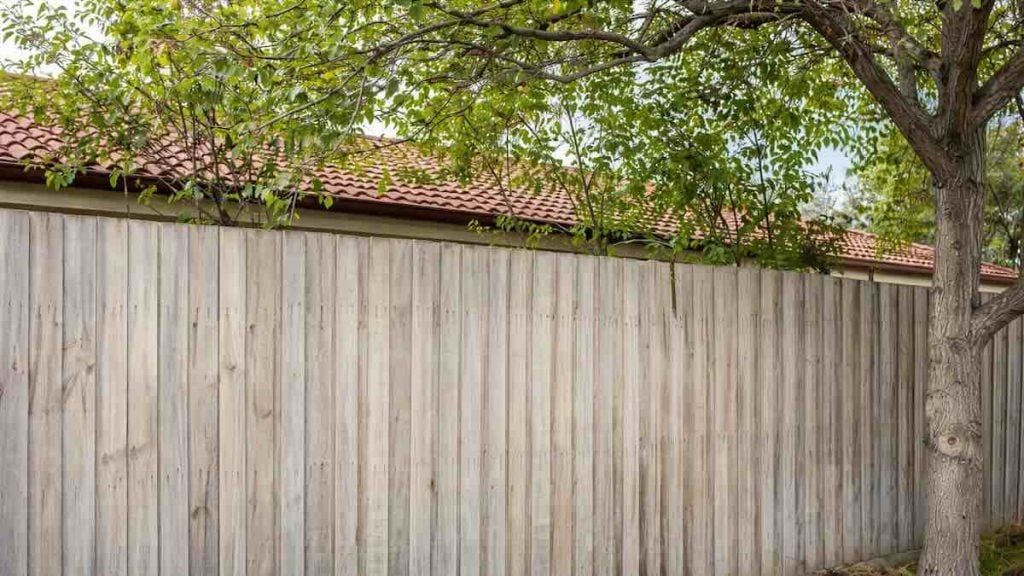
Trees rank among the most common sources of conflict between neighbours. They grow slowly, then suddenly they appear everywhere — over the fence, into the gutters, under the driveway, blocking the afternoon sun. A minor irritation can escalate into a formal dispute quickly, especially when one neighbour feels ignored and the other feels unfairly targeted.
Knowing where legal responsibility sits, what counts as a valid complaint, and how to open a productive conversation can prevent a manageable problem from becoming an expensive one. Most tree disputes never need to reach a tribunal or courtroom — provided both parties engage early and honestly.
What Actually Qualifies as a Valid Complaint
Not every inconvenience from a neighbouring tree gives rise to a legitimate grievance. A few leaves drifting over the fence, or a scattering of small seeds across a path, generally does not meet the threshold that would compel a tree owner to act. Normal tree behaviour — seasonal leaf drop, flowering, fruit fall, small pieces of deadwood — falls within what most people are expected to tolerate as part of living near vegetation.
Beyond that baseline, tree complaints fall into three broad categories.
Safety concerns sit at the most serious end. A tree visibly leaning toward a neighbouring structure, branches hanging over a yard in a way that suggests imminent breakage, roots pushing against retaining walls or infiltrating sewer lines — these carry genuine risk of harm. As climate patterns shift and severe weather events grow more frequent, the question of whether an ageing tree can withstand a major storm is one more neighbours are raising with urgency.
Property damage forms the second category. Roots cracking driveways, lifting paving stones, and blocking gutters with leaf litter are among the most common examples. These are tangible, documentable harms that affect the value and usability of a property.
General interference covers the third category. This is broader and more varied. Branches blocking solar panels affect energy generation and carry measurable financial consequences. Trees obstructing views that existed when a neighbour moved in — provided the tree reaches at least 2.5 metres — may constitute a legitimate grievance. Branches more than 2.5 metres above the ground that shade windows can reduce natural light enough to affect daily living. In some cases, a tree blocking television or satellite signals creates ongoing disruption that qualifies for consideration.
Health Impacts and Legal Recognition
Health effects represent a less obvious but legally recognised dimension of tree disputes. A tree that blocks natural light to the point where a property develops persistent damp and mould creates conditions that harm the occupants’ health. Allergy sufferers whose symptoms a specific neighbouring tree triggers have also brought successful claims. Courts examining tree disputes can look beyond physical property damage to consider illness and ongoing health impacts when assessing the full situation.
Who Bears the Responsibility
The legal position on tree ownership is straightforward. If a tree grows on your land, you are responsible for it — entirely, including roots that extend well beyond the visible canopy into neighbouring ground. That responsibility belongs to the registered owner of the land, whether that owner is an individual, an organisation, or a body corporate managing a shared development.
Responsible tree ownership is not passive. Waiting for a neighbour to raise a concern, or waiting for a severe weather event to force the issue, represents a failure of duty. Assessing the condition of large trees regularly, addressing visible problems before they worsen, and engaging a qualified arborist when structural concerns arise — these are the actions responsible tree ownership demands. They also offer the best protection against liability when something does go wrong.
How to Start the Conversation Early
Most tree conflicts that end up before mediators or tribunals did not start as serious legal disputes. They started as unaddressed frustrations that built up over months or years until one party felt they had no option left but formal action. Property lawyers and local government officials consistently offer the same advice: start talking early, and keep emotion out of it.
Raising a tree concern before it becomes urgent serves everyone. A conversation about a leaning branch in calm weather is a practical discussion. The same conversation during a storm warning is a crisis negotiation, and it rarely goes well. Early communication also preserves the goodwill that makes compromise possible.
What to Say and How to Say It
When raising a concern, keeping the focus on facts rather than feelings makes a real difference. Framing the issue around safety, documented property damage, or measurable interference gives the conversation a practical foundation. Telling a neighbour that a major branch appears structurally compromised is a different conversation from saying you simply dislike the tree. The first invites collaboration. The second invites defensiveness.
Openness to practical solutions strengthens your position. Offering to share the cost of professional pruning, suggesting a joint arborist consultation, or proposing a specific limited intervention rather than demanding full removal all signal reasonableness. Reasonableness tends to be reciprocated.
If a direct conversation feels difficult or has already broken down, a written note with contact details left in the letterbox provides a low-pressure opening. It creates a record of the attempt to communicate and gives the tree owner time to consider the situation without immediate pressure.
Cases That Clarify the Boundaries
Some tree disputes illuminate the limits of what the law considers reasonable in genuinely instructive ways. Cases involving allergy sufferers have established that health impacts beyond straightforward physical damage can factor into dispute resolution. Disputes over solar panel shading have clarified that energy infrastructure carries legal weight comparable to structural property features. Cases involving roots and sewer systems have confirmed that underground damage — invisible and slow-developing — receives the same serious treatment as visible surface destruction.
These cases matter not because most tree disputes reach the courts, but because they set the framework within which informal negotiations operate. Knowing that a particular type of harm carries legal recognition changes the tone of a conversation between neighbours.
When Informal Resolution Is Not Enough
If direct communication fails, most Australian states and territories provide structured pathways for escalation. Mediation services offer a facilitated conversation with a neutral third party — faster, cheaper, and far less adversarial than tribunal proceedings. Local councils in many areas also provide guidance and, in some cases, inspection services for trees that raise safety concerns.
Civil and administrative tribunals represent the formal endpoint — available when everything else fails, but rarely the route that produces the best outcomes. The costs, time, and relationship damage involved make them a last resort. Experienced property lawyers consistently recommend exhausting every informal option before heading in that direction.
The Real Issue Beneath the Dispute
Tree disputes are almost never truly about trees. They reflect communication that broke down, expectations that were never clearly expressed, and the friction that comes from sharing boundaries with people whose relationship with their property differs from your own. The tree is the presenting issue. The underlying issue is usually something more human.
Addressing that human dimension — through early, honest, practical conversation — resolves the majority of these situations without anyone needing to set foot near a tribunal. And in the rare cases where formal resolution does become necessary, having made a genuine and documented effort to resolve the matter directly almost always improves the outcome.